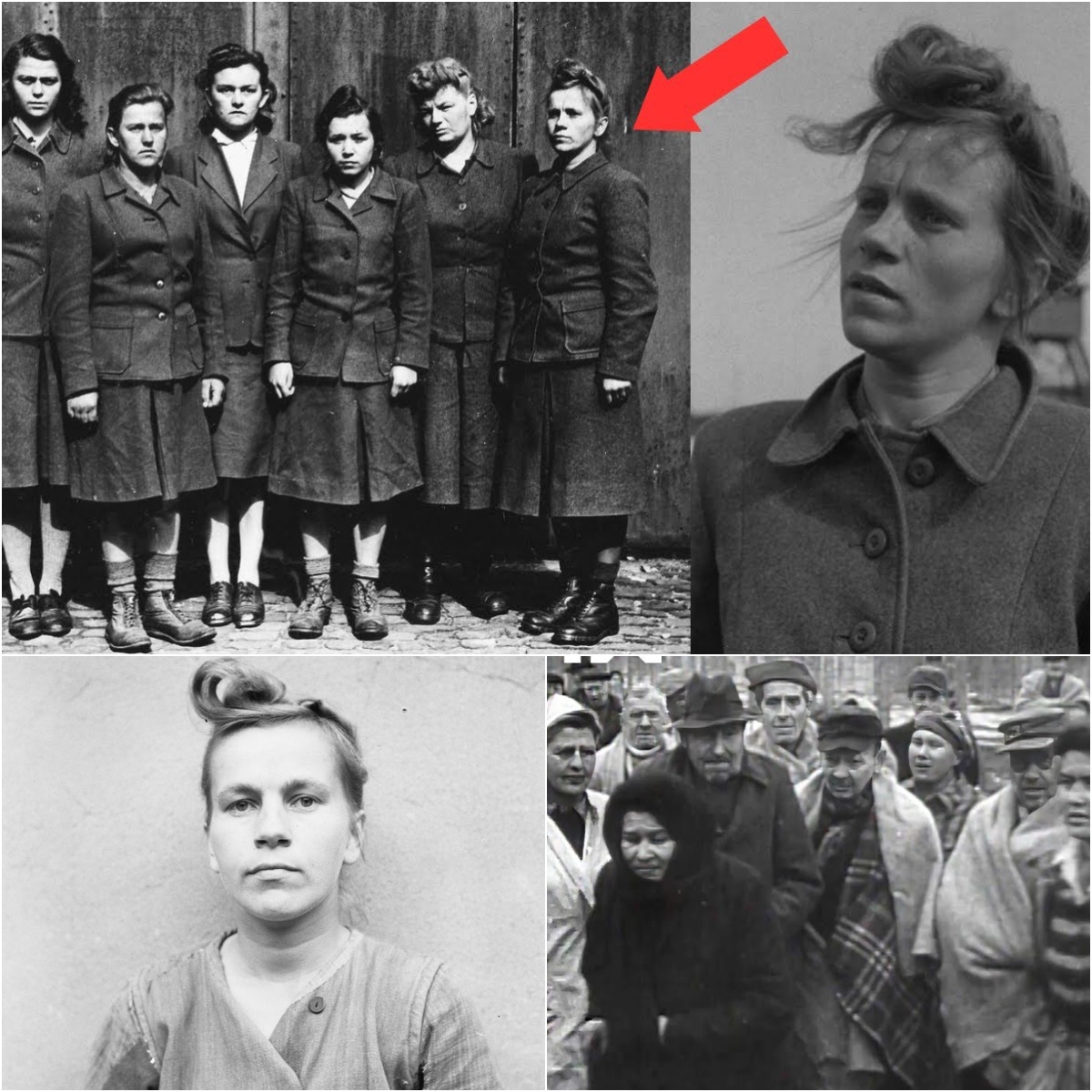
THE FIRST WOMAN HANGED FOR THE HOLOCAUST: Elizabeth Volkenrath – The Nazi “Butcher” Executed by Albert Pierrepoint

Elisabeth Volkenrath, one of the most notorious figures of Nazi Germany, left a dark mark on history as a supervisor at several concentration camps during World War II. From an unskilled worker to a key player in the Nazi’s brutal system, she became one of the first women executed for war crimes. Her journey from an ordinary life to a convicted perpetrator sheds light on the horrors of the Holocaust and raises profound questions about human nature in extreme circumstances. Let’s explore the life and crimes of Elisabeth Volkenrath, a name that evokes chills but also sparks deep reflection.
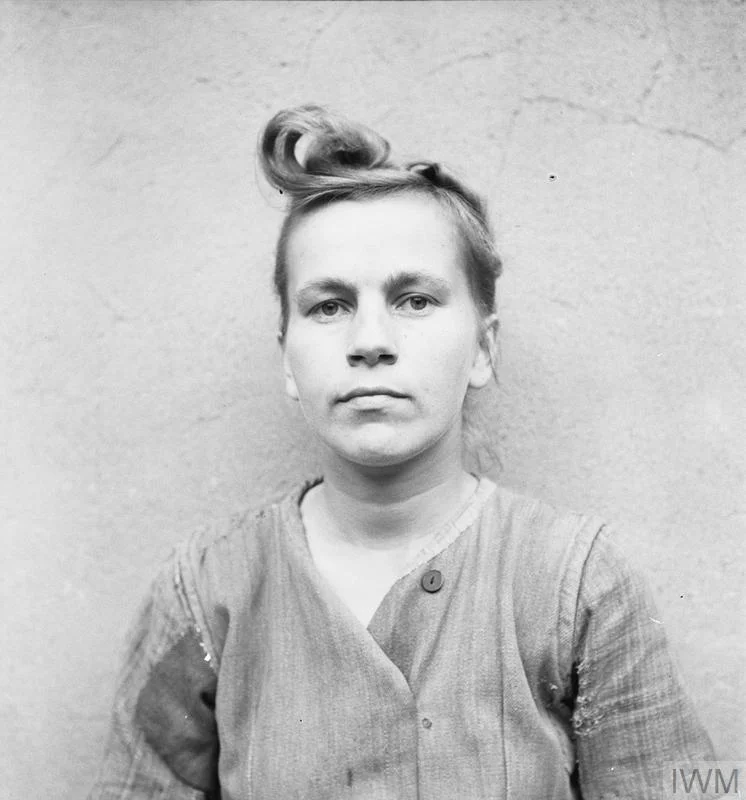
A Path to Atrocity
Born on September 5, 1919, as Elisabeth Mühlau, Volkenrath began her life as an ungelernte Hilfskraft, an unskilled worker with no remarkable prospects. Yet, in October 1941, she volunteered to serve at Ravensbrück, a concentration camp primarily for women, taking on the role of a guard. This marked the start of her descent into the Nazi’s machinery of death. By March 1942, she was transferred to Auschwitz, the infamous epicenter of the Holocaust, where she continued her work as a guard. It was here that she met Heinz Volkenrath, an SS-Rottenführer and Blockführer at the camp. The two married in 1943, a union that seemed to solidify her place within the camp system.
At Auschwitz, Volkenrath’s role grew increasingly sinister. She participated in the “selection” process, deciding which prisoners would be sent to the gas chambers. Her efficiency and ruthlessness earned her a promotion in November 1944 to Oberaufseherin, overseeing all female prisoner sections at Auschwitz. This position placed her at the heart of the camp’s deadly operations, where thousands perished under her watch. When Auschwitz was shut down in early 1945, she was transferred to Bergen-Belsen, where she served as Oberaufseherin from February 1945. At Bergen-Belsen, she oversaw female prisoners in appalling conditions, marked by starvation, disease, and rampant death.
The Belsen Trial and Execution
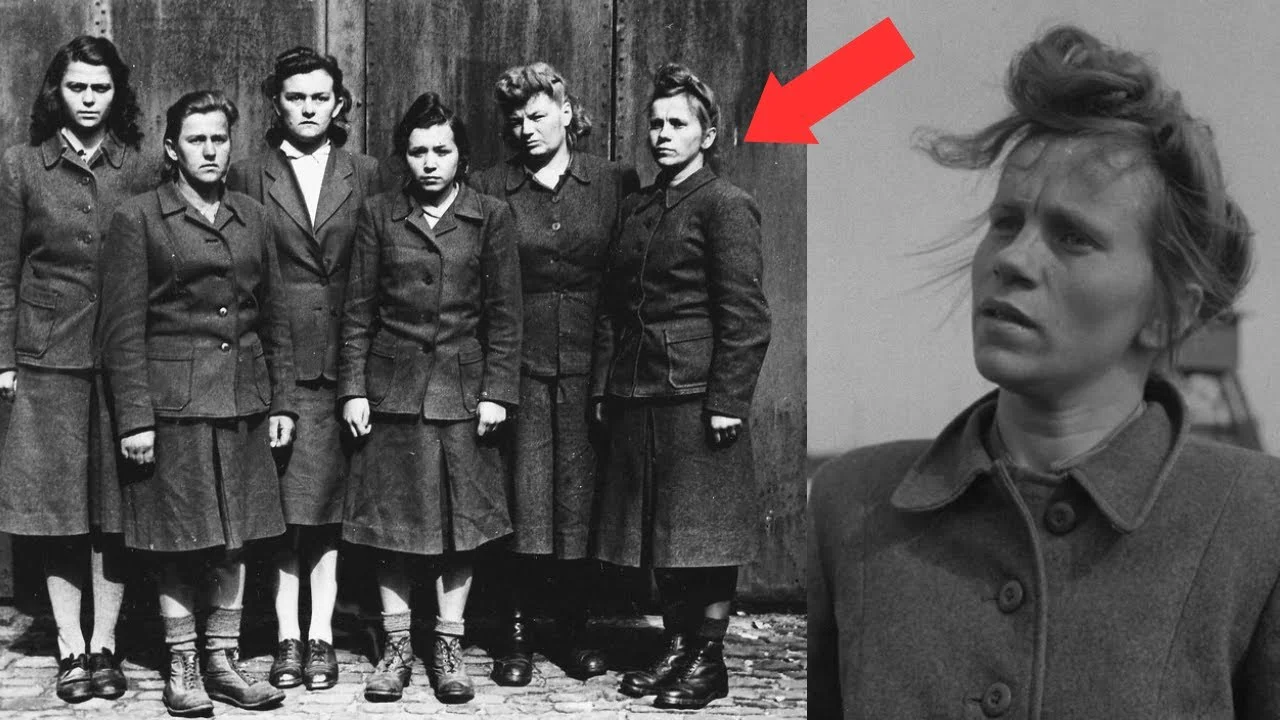
In April 1945, British forces liberated Bergen-Belsen and arrested Volkenrath along with other camp staff. She faced justice at the Belsen Trial, one of the first war crimes trials targeting Nazi perpetrators. During her testimony, she attempted to deflect blame, claiming, “Life in the camp was truly terrible, but it was terrible for us too. We were punished just like the prisoners.” This defense failed to obscure her role in the atrocities, from selecting prisoners for death to enforcing inhumane conditions. Found guilty of war crimes, Volkenrath was sentenced to death. On December 13, 1945, she became the first woman executed by hanging at Hamelin Prison, carried out by Britain’s official executioner, Albert Pierrepoint, at 09:34.
Reflection and Legacy
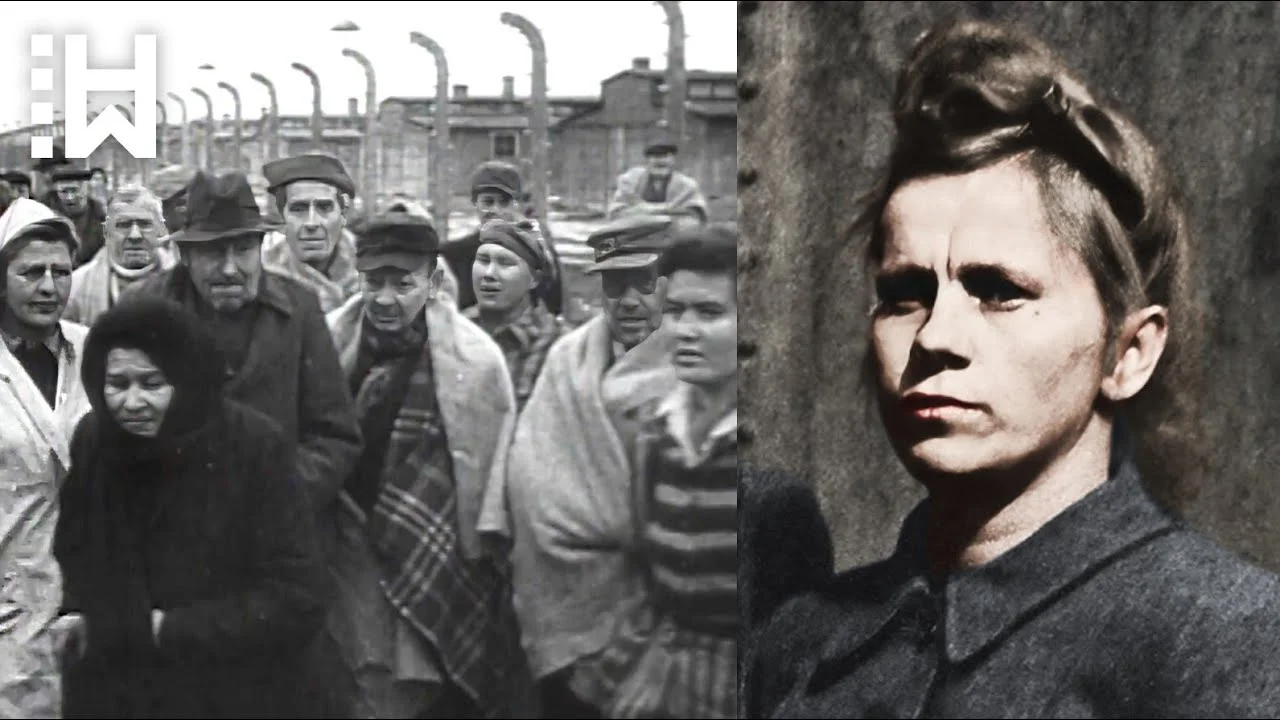
Elisabeth Volkenrath’s story is not just a grim chapter in history but a stark reminder of how ordinary individuals can become complicit in unimaginable crimes. From an unskilled worker, she willingly joined the Nazi’s brutal system, rising through its ranks and contributing to the deaths of countless innocents. Her ascent within the concentration camp system highlights how easily people can become desensitized to suffering, especially when given power in an environment that rewards cruelty.
For history enthusiasts and those reflecting on the lessons of the past, Volkenrath’s story raises a haunting question: What drives an ordinary person to become a war criminal? Was it blind obedience, loyalty to a twisted system, or a deeper moral shift? Share your thoughts in the comments—this story is not just history but a warning for the present and future. Can we prevent such tragedies from happening again?
