She Left Home at 16—and Became a Muse of Europe’s Greatest Filmmakers
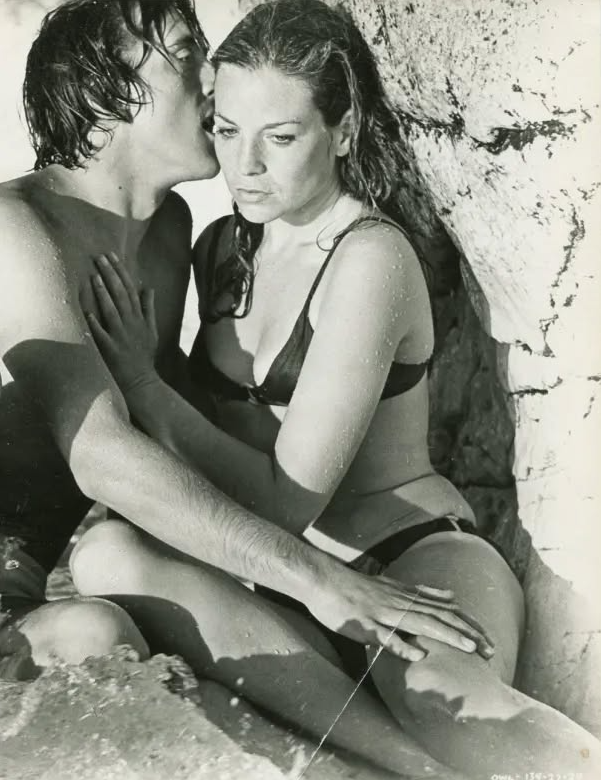
Alexandra Stewart: From Montreal Dreams to the Heart of French Cinema
Have you ever met someone who seems born to belong everywhere and nowhere at once? That’s the feeling Alexandra Stewart has always carried on screen. Her career didn’t follow a straight road—it crossed oceans, languages, and film movements, all guided by curiosity rather than ambition alone. From a teenage leap from Canada to Paris, to collaborations with some of cinema’s greatest minds, her story feels like a beautifully written art-house film: quiet, daring, and unforgettable.
Let’s step into the life of Alexandra Stewart and see how she became a lasting presence in international cinema.
Early Life in Montreal: A Restless Spirit Takes Shape
Alexandra Stewart was born on June 10, 1939, in Montreal, Canada, a city alive with culture, languages, and ideas. Growing up there during and after World War II meant living in a world shaped by change. While details about her family remain mostly private, Alexandra later spoke about spending part of her childhood at a boarding school near the U.S. border—an experience that felt isolating and sparked a desire to escape familiar boundaries.
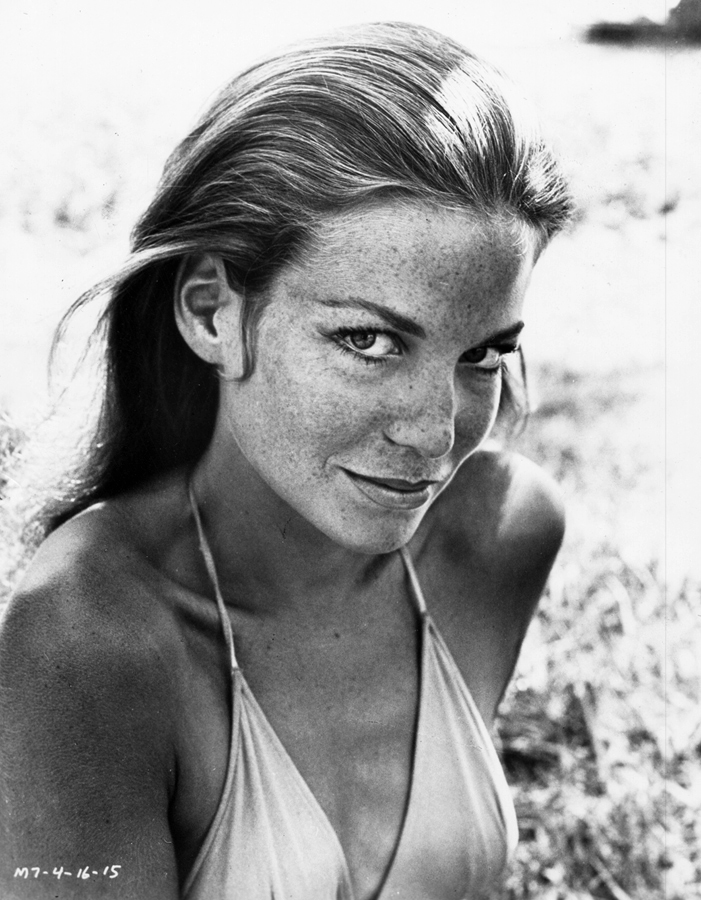
By her mid-teens, she already sensed that her future wouldn’t stay rooted in one place. At just 16, she made a bold move that would define her life: she left Canada and headed to Paris in 1958. It wasn’t about fame. It was about immersion. She studied art, English literature, and French, diving headfirst into the intellectual and creative energy of the city.
Paris didn’t just welcome her—it transformed her.
A Sudden Entry Into Film: Paris Opens Its Doors
Sometimes opportunity doesn’t knock. It simply appears. While Alexandra Stewart initially modeled to support herself, filmmakers quickly noticed her natural elegance and expressive presence. Within months, she landed her first screen role in the French comedy Les Motards (1959).
That debut wasn’t loud or flashy, but it was enough. Directors saw someone who felt modern, international, and quietly magnetic. Alexandra didn’t act like she was trying to break into cinema. She acted like she already belonged there—and Paris believed her.
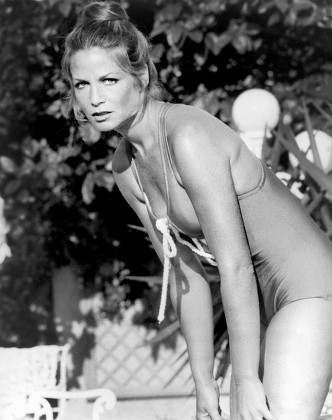
Becoming Part of the French New Wave
The early 1960s were electric for French cinema. New voices challenged old rules, and storytelling became more personal, more daring. Alexandra Stewart found herself right in the middle of that creative storm.
One of her most significant collaborations came with director Louis Malle. In The Fire Within (1963), she delivered a subtle, emotionally rich performance that fit perfectly with the film’s introspective tone. The partnership continued years later with Black Moon (1975), a surreal and haunting project that showed how far both artist and actress were willing to explore.
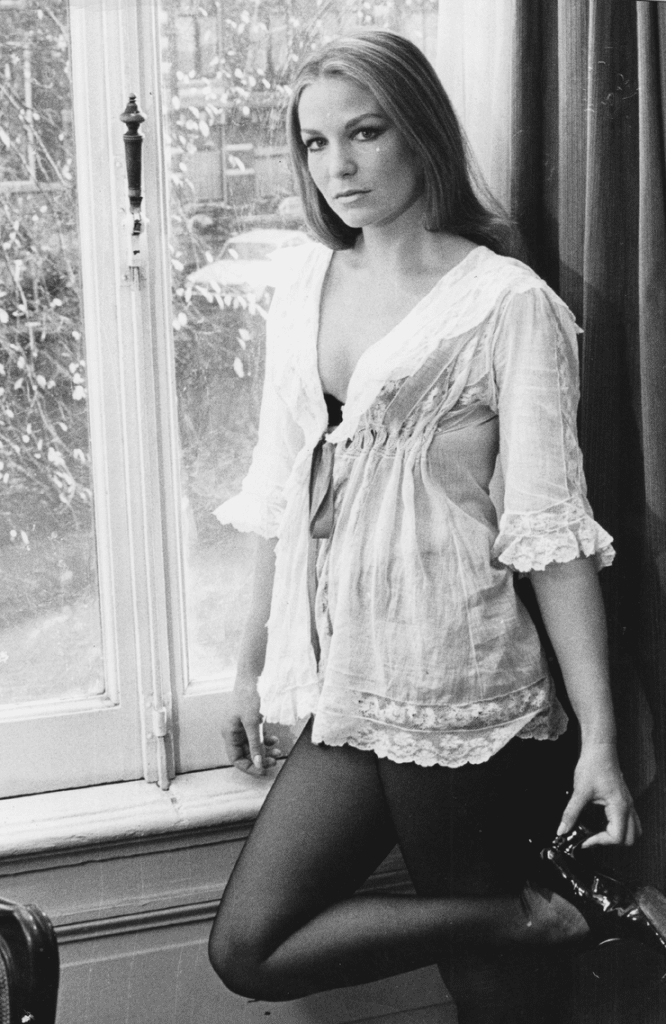
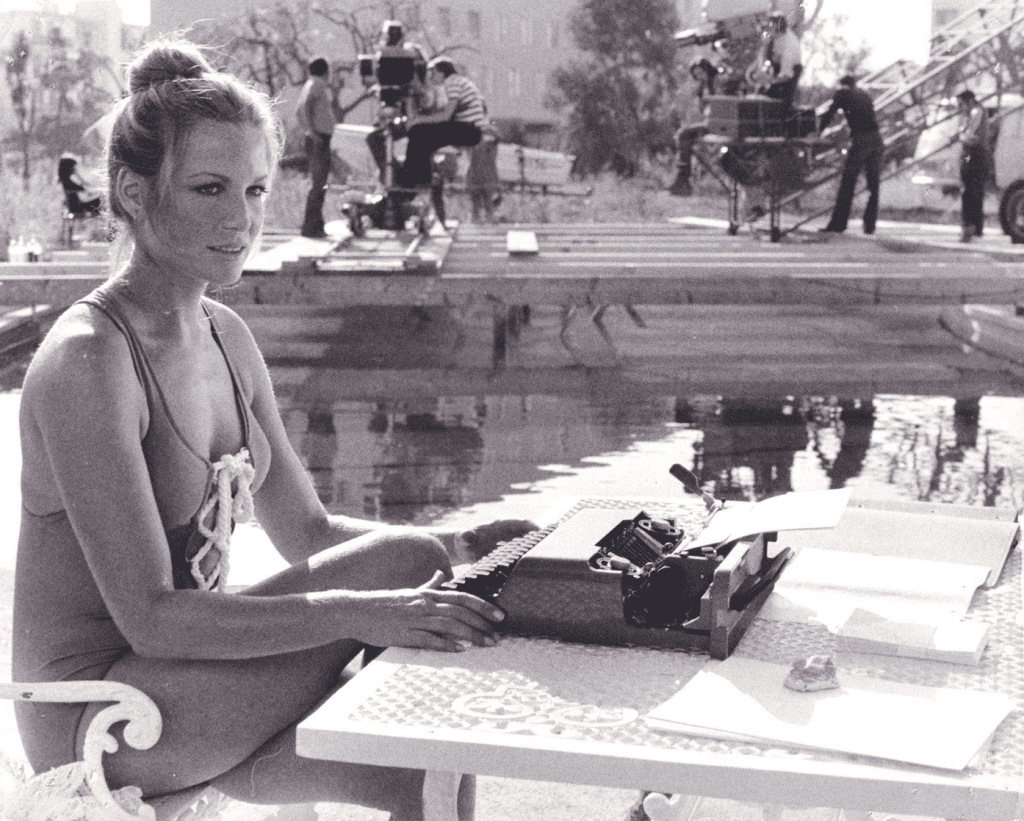
François Truffaut also recognized her unique presence. He cast her in The Bride Wore Black (1968), a stylish thriller, and later in Day for Night (1973), a film that lovingly peeled back the curtain on the filmmaking process itself. Working with Truffaut placed Alexandra Stewart firmly within the heart of French cinema history.
She wasn’t just acting in films. She was participating in a movement.
Crossing Into Hollywood and Beyond
Did working in Europe limit her reach? Not at all. Alexandra Stewart moved fluidly between continents, bringing her European sensibility to international productions.
She appeared in Exodus (1960), a sweeping epic directed by Otto Preminger, sharing the screen with Paul Newman. A few years later, Arthur Penn cast her opposite Warren Beatty in Mickey One (1965), a moody, experimental film that mirrored the uncertainty of its era.
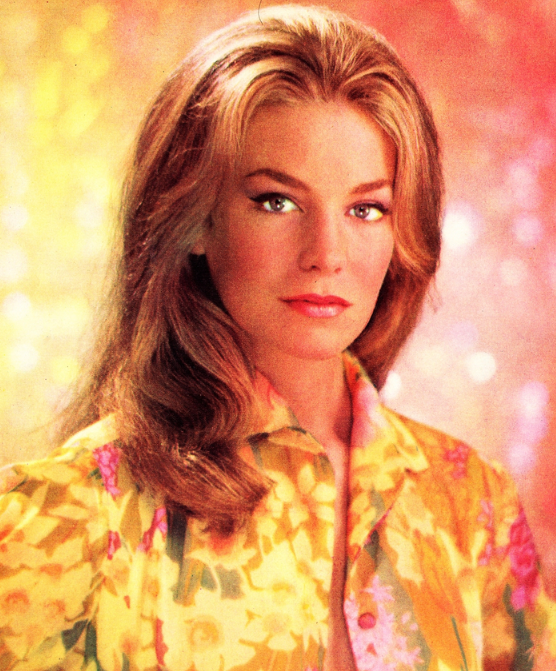
Her international journey continued well into later decades. She worked with Roman Polanski in Frantic (1988), a tense thriller set in Paris, and appeared in Under the Cherry Moon (1986), a stylized, unconventional project that proved she wasn’t afraid of risk.
Alexandra Stewart didn’t chase trends. She followed curiosity—and that made her career unpredictable in the best way.
Television, Variety, and Staying Curious
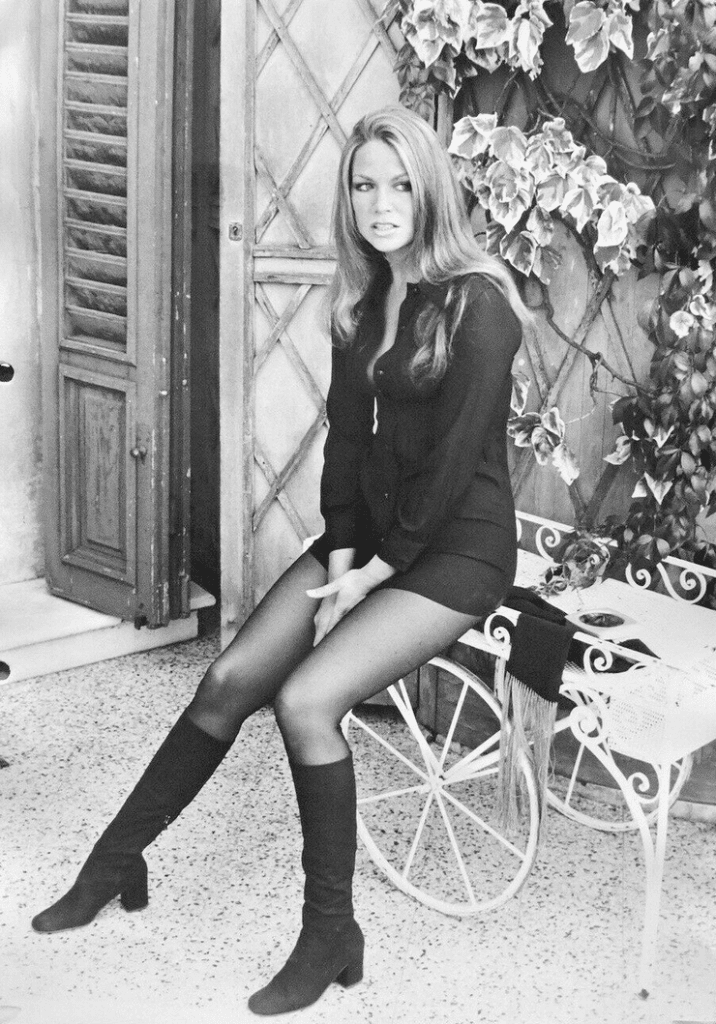
As cinema changed, Alexandra adapted without resistance. She appeared in popular television series such as The Saint and Highlander: The Series, reaching new audiences who may not have known her film work.
In France, she became a familiar face on television game shows like Les Jeux de 20 heures, revealing a lighter, more playful side. She even ventured into voice acting, adding another layer to her already versatile career.
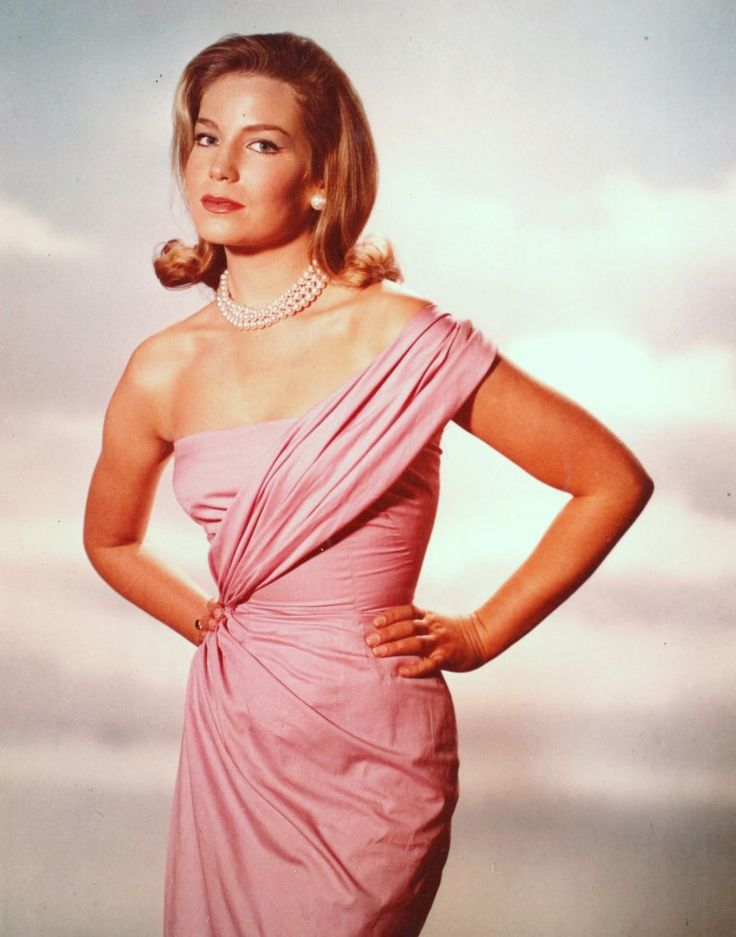
What stands out is how naturally she embraced variety. Whether the project was serious, surreal, or simply entertaining, she brought the same quiet professionalism.
Later Roles: Choosing Art Over Exposure
Many actors fade away when leading roles slow down. Alexandra Stewart chose a different path. She leaned into independent and experimental films, selecting projects that intrigued her rather than ones that promised attention.
In recent years, she appeared in striking works like After Blue (Dirty Paradise) (2021), a surreal science-fiction film that pushed boundaries. She followed with adaptations such as Les secrets de la princesses de Cadignan (2023) and the dystopian Belladone (2025).
These weren’t nostalgic returns. They were deliberate choices—proof that creative curiosity doesn’t retire.
Personal Life: Love, Family, and Quiet Strength
Off-screen, Alexandra Stewart always guarded her privacy. She had a meaningful relationship with Louis Malle, with whom she shares a daughter, Justine—now a filmmaker herself. Although the romantic relationship ended, their creative bond and family connection remained strong.
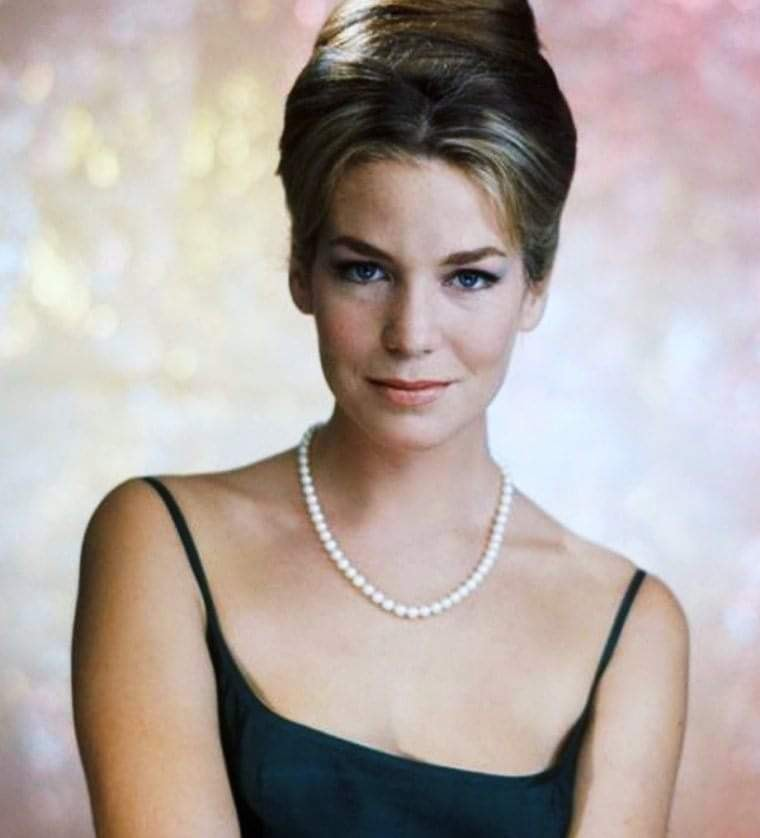
Paris became her true home. Unlike many international stars, she never sought constant publicity. She blended into the city, valuing real life over celebrity culture. That balance helped her sustain a long, healthy relationship with her craft.
Life in 2025: A Graceful Step Back
As of 2025, Alexandra Stewart is 86 years old and largely retired. She lives quietly in Paris, the city that shaped her identity and career. There are no loud comebacks or farewell tours—just a peaceful rhythm earned after decades of creative work.
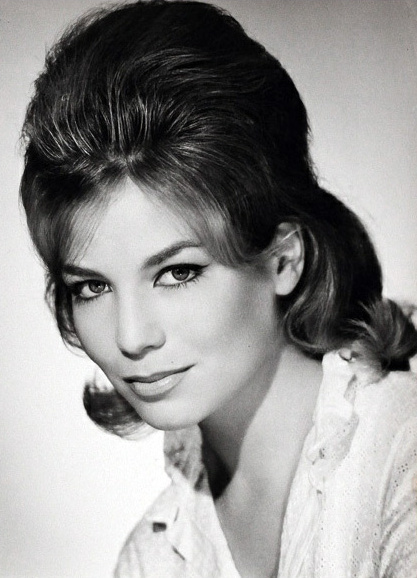
Her films continue to be rediscovered by new generations through streaming platforms and retrospectives. And every rediscovery feels like finding a hidden chapter in cinema history.
Conclusion: A Career Defined by Courage and Curiosity
Alexandra Stewart’s journey from Montreal to Paris, from New Wave cinema to international film sets, is a story of fearless choices. She left home young, trusted her instincts, and built a career across languages, cultures, and decades.
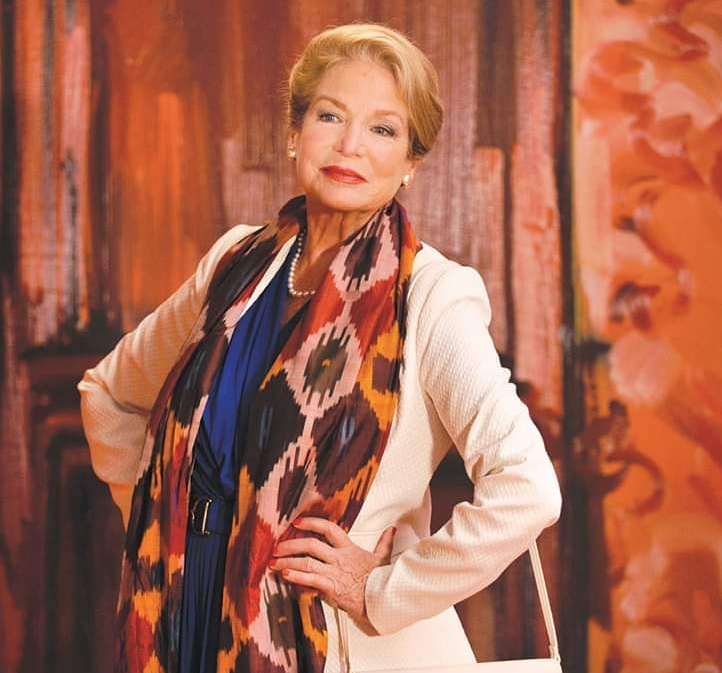
She worked with legends, embraced experimentation, and stepped away when the time felt right. Today, her legacy lives not in headlines, but in performances that still breathe with intelligence and grace.
Alexandra Stewart reminds us that the most meaningful careers aren’t always the loudest. Sometimes, they’re the ones that quietly change the way we see the world—one thoughtful role at a time.
