Glaciers Reveal a 22-Year-Old Mystery: American Climber Found Dead in Peru

From Summit Dreams to a Frozen Tomb: The 22-Year Disappearance of William Stampfl
It was supposed to be a celebration of human courage and perseverance—a climb to the roof of Peru, to Huascarán, the towering peak of the Cordillera Blanca. But for William Stampfl, an American adventurer, that morning in 2002 became the start of a nightmare no one could untangle for more than two decades.
The call to adventure had been irresistible. Huascarán, at 6,768 meters (22,205 feet), stands as Peru’s highest peak and the centerpiece of the world’s tropical glaciers. Its slopes have lured mountaineers for decades, promising both awe-inspiring vistas and the ultimate test of stamina and skill. For Stampfl, it was the pinnacle of a climbing career, a challenge he had been preparing for years.
But as the morning sun struck the icy ridges, no one knew that an avalanche had claimed the lives of three climbers, including Stampfl. For 22 years, he was missing—his family left with hope, despair, and unanswered questions.
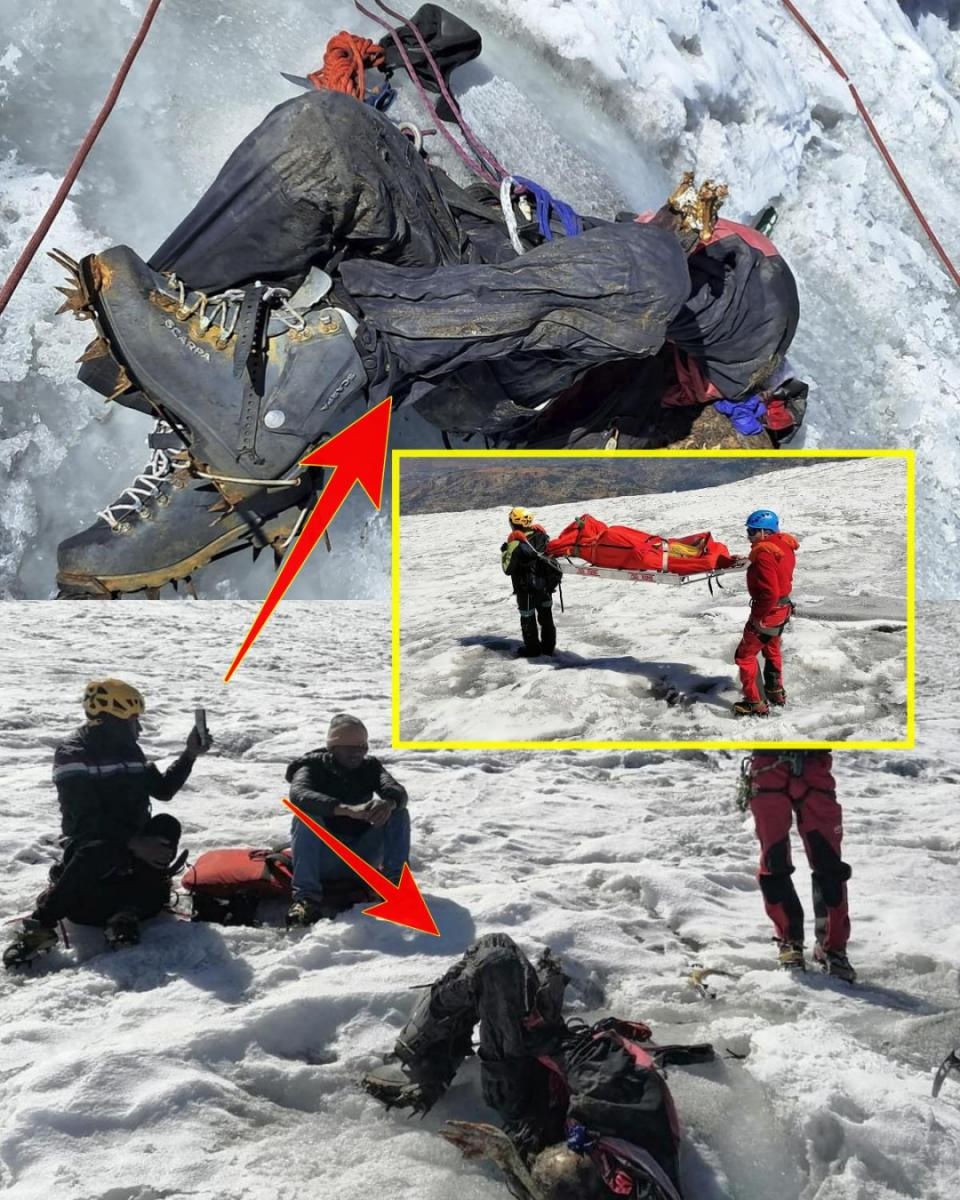
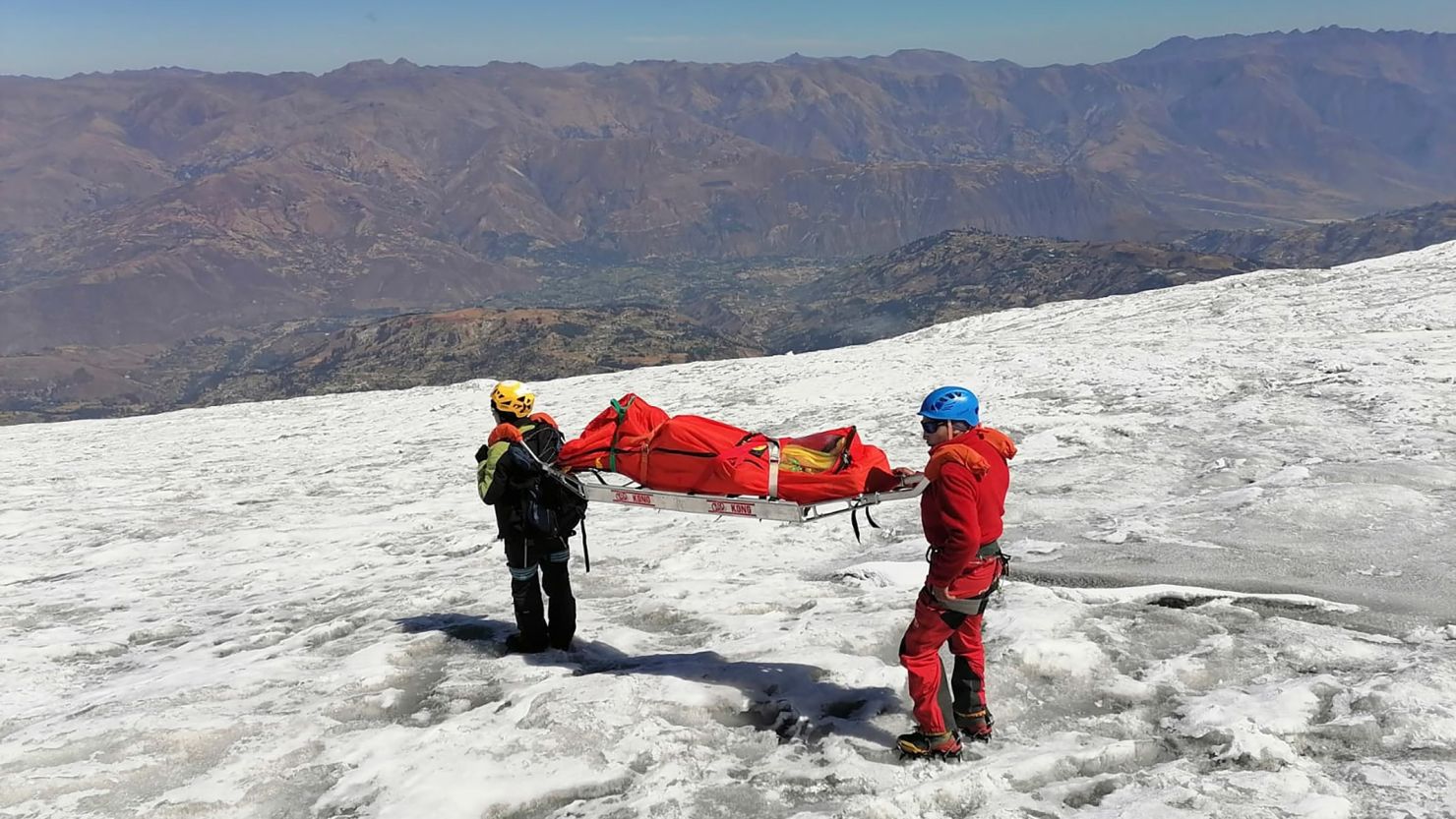
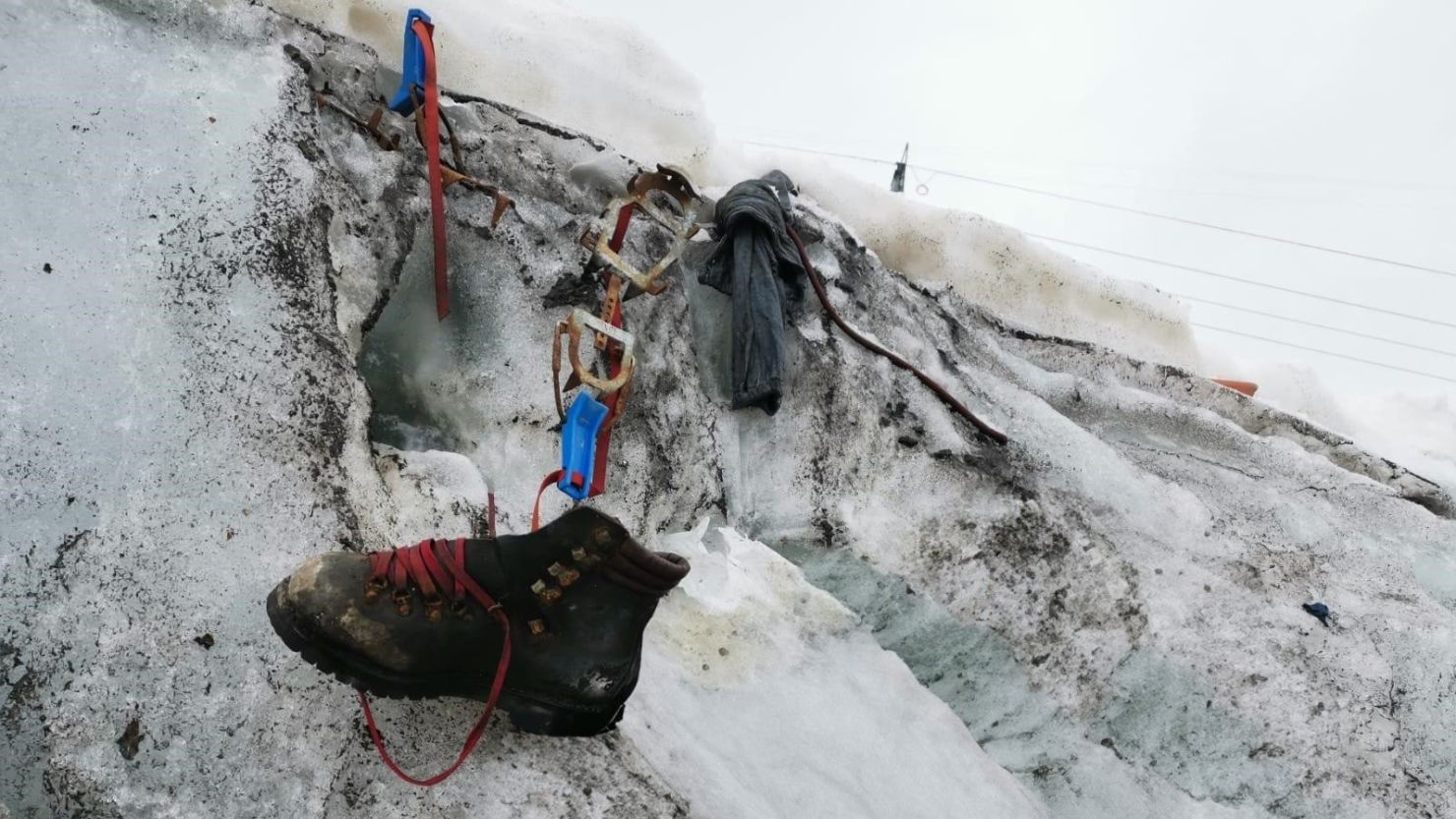
It wasn’t until July 5, 2024, that the relentless retreat of the glaciers revealed the truth. Peruvian authorities, conducting routine patrols and monitoring the rapidly changing ice, discovered a mummified, skeletal figure at 5,200 meters (17,060 feet), far below the summit Stampfl had dreamed of conquering. His climbing boots, crampons, and clothing were still intact. Miraculously, identification remained: a driver’s license and passport confirmed the long-held suspicions.
“Nature has a way of preserving the past,” said Edson Ramirez, a park ranger and risk assessor for Huascarán National Park. “What was buried decades ago is now coming to the surface. The glaciers are retreating faster than ever.”
The discovery sent ripples through both the mountaineering world and Stampfl’s family back home in the United States. They had waited over two decades for a final answer, and now they faced the grim reality of the accident. For generations, climbers have been drawn to the Cordillera Blanca, but few understood the lethal combination of high altitude, unpredictable avalanches, and melting glaciers.
The Fateful Climb of 2002
On that ill-fated day in 2002, Stampfl was joined by two other American climbers. Eyewitness accounts are nonexistent; the trio disappeared without sending a distress signal. The region where they climbed is notorious for sudden weather shifts, treacherous ice, and hidden crevasses. A single misstep or sudden avalanche can bury a climber instantly.
Search and rescue operations were launched, but the conditions were unforgiving. Dense snow, high winds, and unstable slopes hindered the teams. Weeks passed, hope dwindled, and eventually, authorities had to scale back efforts. For years, the mountains kept their secret, concealing the bodies beneath layers of ice and snow, a tomb carved by nature itself.
“Every year, we lose part of our tropical glaciers,” Ramirez said. “And with the glaciers shrinking, they reveal relics—sometimes hikers, sometimes climbers. The mountains remember.”
A Grim ReminderHuascarán is part of the Cordillera Blanca, a range that contains roughly 68% of the world’s tropical glaciers. These ice formations are particularly sensitive to climate change, with Peru losing over half of its tropical glaciers in the last six decades.
As glaciers recede, previously inaccessible areas are exposed, uncovering the past in stark, sometimes horrifying detail. For Stampfl, the retreating ice finally gave his family closure, but it also highlighted a grim reality: mountaineering, even by the most experienced climbers, carries an unforgiving risk—risks that may remain hidden until decades later.
The body of William Stampfl, remarkably preserved by the cold, revealed more than just the tragic fate of one climber; it served as a stark testament to the accelerating changes in the Cordillera Blanca. What had been lost to the ice for 22 years now stood as a warning to all who would challenge these peaks.

The Human Story Behind the Tragedy
William Stampfl was known among friends and fellow climbers as an experienced mountaineer. Equipped with the right gear, trained in alpine conditions, and mindful of the dangers, he was prepared for the physical challenges of the Andes. But even preparation and skill can be overpowered by the unpredictability of nature.
When his remains were recovered, authorities noted that his climbing boots and crampons were still intact, a testament to his careful planning. Yet, the presence of an avalanche, perhaps triggered by shifting ice or weather conditions, had made those precautions tragically insufficient.
The discovery also included two other American climbers, confirming that the avalanche had claimed all three lives. While the names of the companions were not released in the initial reports, the recovery of multiple bodies provided critical closure to families who had spent decades wondering what had happened.
A Family’s Long Wait for Answers
For Stampfl’s relatives, the past 22 years were filled with uncertainty. The missing person reports, the unanswered calls, and the faint hope that he might have survived another night in the unforgiving mountain kept the family in a state of limbo. Every new search effort offered a flicker of hope, quickly extinguished by harsh realities.
With the recovery of his body, mourning can finally take a defined form. The mountain that had hidden him for decades now tells the story of his final moments. Though tragic, there is a sense of relief that the mystery is finally solved.
“It’s a mix of grief and closure,” said one source familiar with the family’s experience. “For over 20 years, they held onto hope. Now they have answers, as difficult as they may be.”

The Wider Implications: Climate, Safety, and Mountaineering
The discovery of Stampfl’s remains is not just a personal story—it is a cautionary tale for mountaineers worldwide. As glaciers recede, previously hidden dangers emerge. Avalanches, rockfalls, and unstable ice conditions increase, transforming once-familiar climbs into deadly hazards.
Experts emphasize that global warming accelerates glacial melt, making tropical glaciers like those in the Cordillera Blanca particularly unpredictable. Peru’s tropical glaciers are among the most rapidly disappearing ice masses on Earth, and each retreat uncovers remnants of past tragedies.
“Mountains preserve history, but climate change is rewriting it,” Ramirez said. “What was once safely buried may now lie exposed, and that exposure can be both shocking and dangerous.”
For climbers, this is a call to adapt, prepare, and respect the evolving challenges of the Andes. For the families of those lost, it is a stark reminder of nature’s indifference—and sometimes its cruel timing.
Lessons from the Ice
The story of William Stampfl is one of ambition, adventure, and the ultimate unpredictability of the natural world. It spans continents and decades, highlighting the delicate interplay between human aspiration and environmental forces.
Found 22 years after his disappearance, Stampfl’s body is a frozen testament to both tragedy and resilience—a reminder that the mountains are patient, that time does not erase history, and that nature eventually tells its own story.
As glaciers continue to retreat, the world may see more lost climbers emerge from ice-bound tombs, each with a story waiting to be told. For now, Stampfl’s journey serves as both memorial and warning: the mountains give and take in equal measure, and sometimes, only decades later, do they reveal the full truth.